Abstract
As data generation and analysis capabilities continue to accelerate across academia and industry, the ability to critically analyze and effectively communicate data is becoming a core competency for future graduates. Despite this need, undergraduate instruction in data analysis and visualization is often limited to method-driven demonstrations embedded within laboratory exercises, with little explicit attention paid to visualization as a tool for reasoning and knowledge sharing.
To address this gap, a series of data visualization sessions was integrated into an upper-level chemistry laboratory course. The instructional design intentionally separated visualization training from advanced chemical content in the initial phase, as students worked on core visualization principles using accessible, real-world datasets aligned with the Sustainable Development Goals, such as global CO₂ emissions and regional COVID-19 trends. The instruction centered around synchronous hands-on activities in Tableau, an industry-standard visualization platform, supported by scaffolded assignments.
In the second phase, students applied these skills in their Surface Wettability laboratory, where parameter selection and collaborative data acquisition generated an authentic dataset for a culminating visualization project. The resulting deliverables, interactive dashboards and data stories, supported the development of transferable data communication skills and contributed to professional portfolios. This learning framework is flexible and could be adapted across STEM and non-STEM disciplines and a variety of learning environments.
Biography
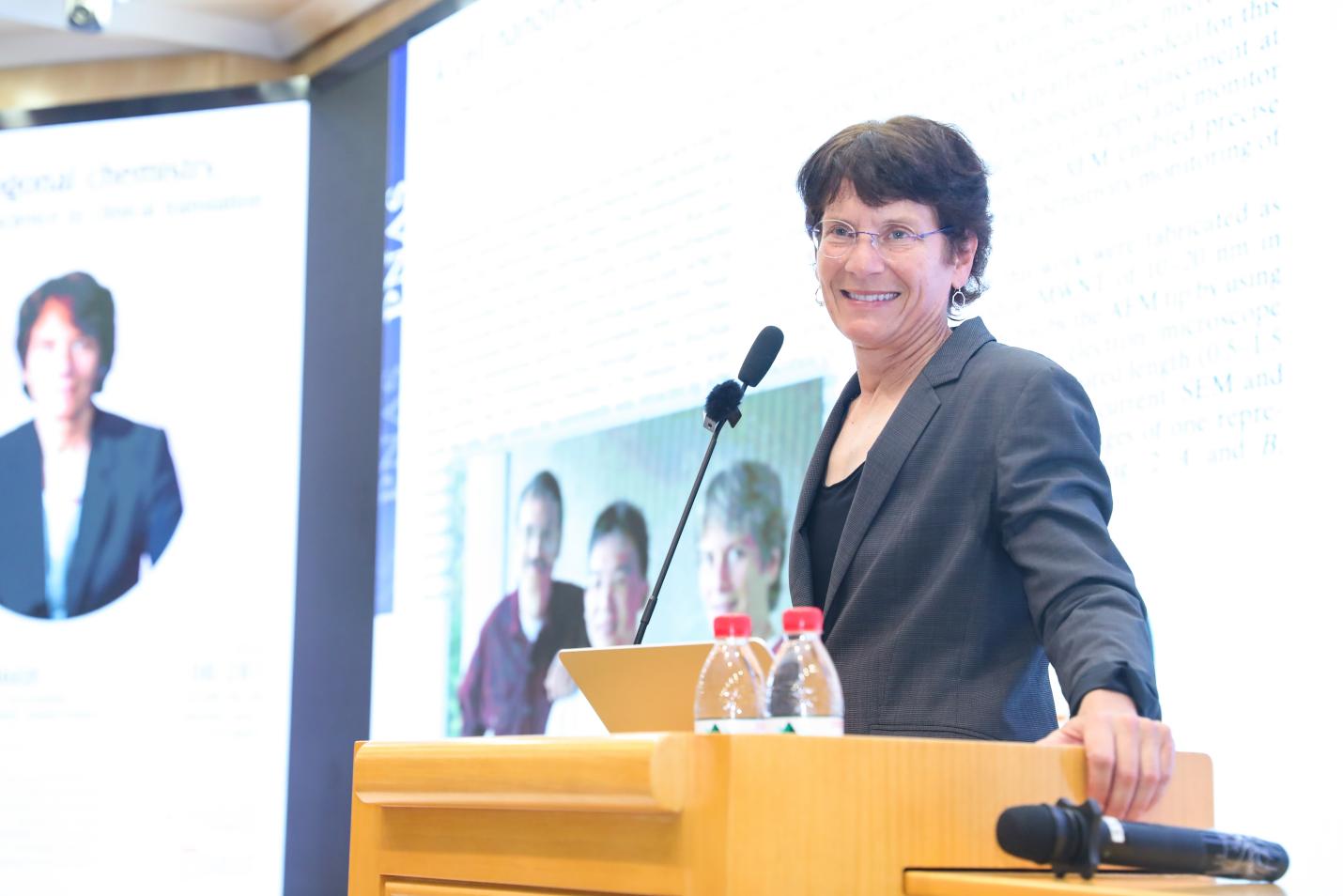
Dr. Tihana Mirkovic received her bachelor’s degree in Chemistry and Mathematics from the University of Toronto in 2003. She pursued her doctoral studies in physical chemistry at the University of Toronto under the supervision of Prof. G. D. Scholes and Prof. G. A. Ozin and received her Ph.D. in 2009. Her doctoral research focused on the development of nanomaterials and the photophysical and dynamical properties of nanoscale systems.
Following her Ph.D., she conducted postdoctoral research on the principles of light harvesting in photosynthesis, while also taking on teaching and research associate roles at the University of Toronto. She later contributed to innovation and entrepreneurship education through her work at the Impact Centre, where she led data-driven studies on scientists’ career pathways and the landscape of innovation education in Canada.
Dr. Mirkovic joined York University as an Assistant Professor in 2019 and was promoted to Associate Professor in 2024. With extensive experience in research, teaching, and curriculum development, she designs interdisciplinary, experiential learning frameworks in chemistry that integrate technical and professional skill development to better prepare students for careers in research and industry.